| View previous topic :: View next topic |
| Author |
Message |
jinju
Joined: 22 Jan 2006
|
 Posted: Mon Feb 05, 2007 10:33 pm Post subject: Posted: Mon Feb 05, 2007 10:33 pm Post subject: |
 |
|
| Big_Bird wrote: |
| To start you off, here is an alarming fact sheet by PETA. |
I stopped reading after PETA. PETA is one of the worst, most twisted organizations out there. |
|
| Back to top |
|
 |
thepeel
Joined: 08 Aug 2004
|
| Posted: Mon Feb 05, 2007 10:39 pm Post subject: |
|
|
| Quote: |
1. Theres no footprint
2. Animals are a commodity to be used as we see fit. They DONT have rights. |
1. In economics, there is a divide between macro and mirco policy. Some things that are rational to do or encourage from a mirco sense (for example, saving) would be bad if we all did it all the time (if everybody saved, there would be no consumption and thus no production and thus no savings). We have to consider how individual actions sum total impact the larger picture. So, yes, I agree with you. Your impact is so small, it really doesn't matter. But we cannot have everybody think that all our our actions do not harm the enviroment. There is a sum-total of impact. Again, I'm not willing to use laws and the hard hand of government to change peoples behaviours, but I would suggest that we have to consider how our individual actions fit into a larger picture.
If we all act with concern, the environment will be more healthy than if we all act with disconcern.
2. I agree. |
|
| Back to top |
|
|
Big_Bird

Joined: 31 Jan 2003
Location: Sometimes here sometimes there...
|
| Posted: Tue Feb 06, 2007 1:06 am Post subject: |
|
|
| jinju wrote: |
| Big_Bird wrote: |
| To start you off, here is an alarming fact sheet by PETA. |
I stopped reading after PETA. PETA is one of the worst, most twisted organizations out there. |
How about The New Scientist?
A kilo of feedlot beef takes about 50 times the water to produce as a kilo of soya beans or rice. Even chicken, the most "efficient" modern meat industry uses twice as much water per kilo as soybeans or rice.
Potatoes - 500 litres
Wheat - 900 litres
Alfalfa - 900 litres
Sorghum - 1110 litres
Maize - 1400 litres
Rice - 1910 litres
Soya beans - 2000 litres
Chicken - 3500 litres
Beef (feedlot) - 100,000 litres
From New Scientist 1/2/1997 |
|
| Back to top |
|
|
Big_Bird
Joined: 31 Jan 2003
Location: Sometimes here sometimes there...
|
|
| Back to top |
|
|
jinju
Joined: 22 Jan 2006
|
| Posted: Tue Feb 06, 2007 3:47 am Post subject: |
|
|
| Big_Bird wrote: |
| jinju wrote: |
| Big_Bird wrote: |
| To start you off, here is an alarming fact sheet by PETA. |
I stopped reading after PETA. PETA is one of the worst, most twisted organizations out there. |
How about The New Scientist?
[/b] |
quote a 100 Nobel prize winners, it doesnt matter anymore. You brought up PETA a bunch of idiots who should be shot. |
|
| Back to top |
|
|
huffdaddy
Joined: 25 Nov 2005
|
| Posted: Tue Feb 06, 2007 4:09 am Post subject: |
|
|
| jinju wrote: |
1. Theres no footprint |
Really? What do you call this?

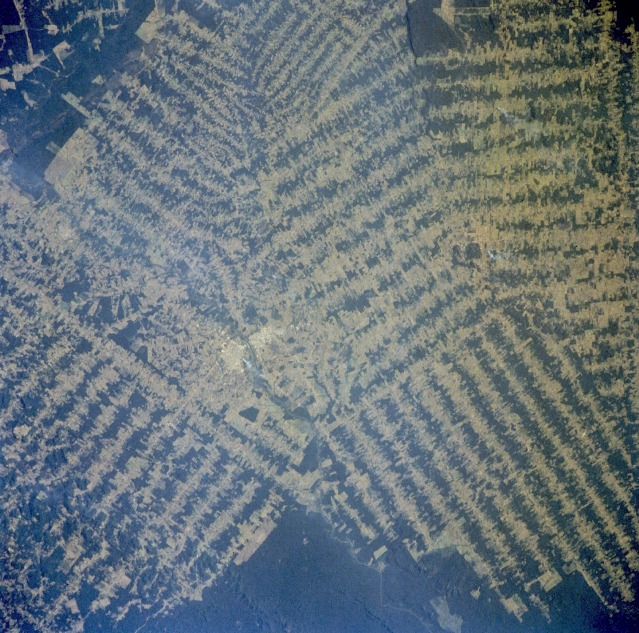
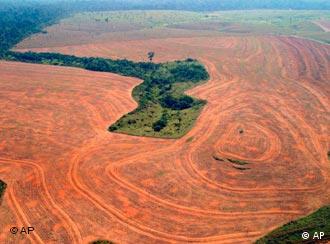 |
|
| Back to top |
|
|
jinju
Joined: 22 Jan 2006
|
| Posted: Tue Feb 06, 2007 3:32 pm Post subject: |
|
|
| huffdaddy wrote: |
| jinju wrote: |
1. Theres no footprint |
Really? What do you call this?
|
Does it look like a foot to you? |
|
| Back to top |
|
|
Bramble

Joined: 26 Jan 2007
Location: National treasures need homes
|
|
| Back to top |
|
|
Big_Bird
Joined: 31 Jan 2003
Location: Sometimes here sometimes there...
|
| Posted: Fri Feb 09, 2007 10:24 pm Post subject: |
|
|
Supermarkets alert for mass turkey recall
| Quote: |
The government's chief scientist said yesterday that packaged turkey meat might have to be removed from supermarket shelves in a mass product recall, as the official inquiry into a bird flu outbreak at a Suffolk farm widened.
The frank admission by Sir David King came as the government's Food Standards Agency confirmed it is looking at the possibility that bird flu has entered the human food chain. The FSA is examining how the disease infected turkeys at the Bernard Matthews plant in Holton, Suffolk. It also emerged last night that two loads of meat had arrived at the plant this week from Hungary, where the strain of H5N1 involved is believed to have originated.
|
|
|
| Back to top |
|
|
|




 FAQ
FAQ Search
 Memberlist
 Usergroups
 Register
 Profile
 Log in to check your private messages
 Log in


